
Reviewed · NICE WINE TOURS AND TASTINGS
Nice: Vineyard Tour with Wine Tasting
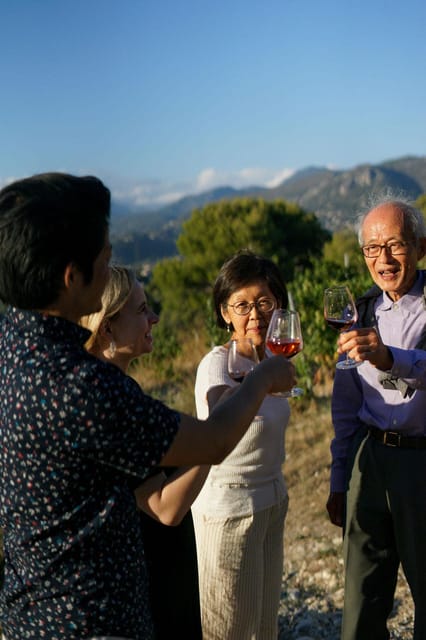
At Château de Bellet, wine comes with a remarkable setting: the vineyard looks across the Mediterranean and the Alps, yet it sits within Nice’s city limits. I like the mix of scenery and substance here. You do not simply sip three wines; you see the vines, production area, barrels, machinery, and cellar, then learn how pressing, aging, soil, and local winds affect the final glass.
I also like the clear, practical teaching. Guides such as Julia explain wine without making you feel you need a diploma first, and the tasting includes white, rosé, and red wines. The main thing to consider is location. The château is not in central Nice, so the transfer option may be worth the extra cost and effort, especially if you do not want to work out a bus connection and a 15-minute walk.
Key points at Château de Bellet
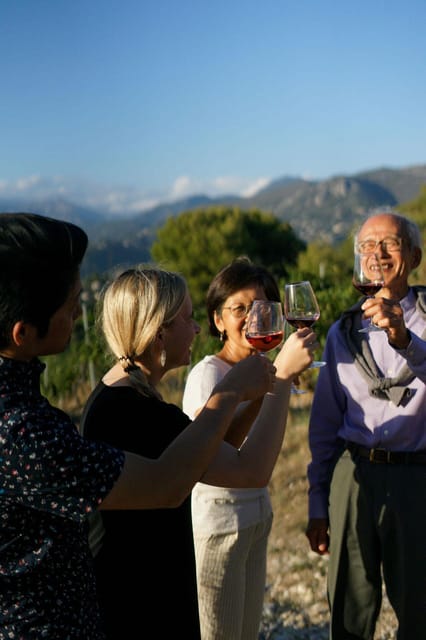
- Mediterranean and Alpine views: The meeting point at the chapel gives you one of the tour’s finest visual moments before the wine work begins.
- Three wines with guidance: Taste white, rosé, and red wines while learning about their flavors, production, and food pairings.
- A working vineyard visit: See the vines, production area, barrels, and equipment rather than stopping at a tasting room alone.
- Local conditions matter: Your guide explains how mountain and sea winds, along with the soil, shape the grapes.
- Useful transport choice: You can arrive independently or select a roundtrip transfer from central Nice.
- Strong value at $38: For 90 minutes of instruction, a vineyard visit, and three tastings, the price is fair for an adult wine outing.
Why Château de Bellet feels different from a city tasting
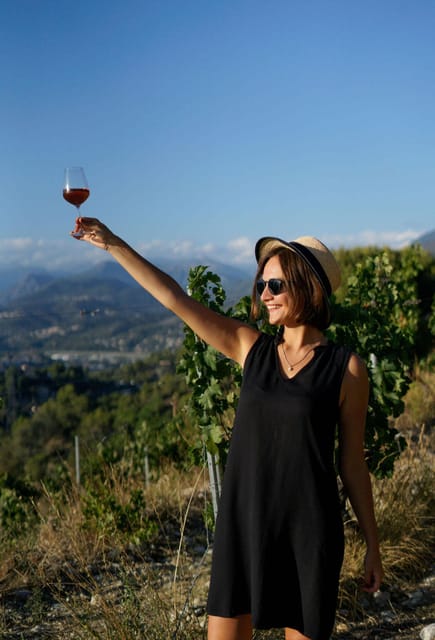
Nice is best known for its sea, old streets, markets, and grand hotels. Château de Bellet gives you another side of the city. The vineyard is inside Nice’s official borders, but it feels removed from the center, with open views and a quieter setting.
That contrast is part of the appeal. You can spend the morning among cafés and stone lanes, then reach a vineyard where the setting shifts to vines, open air, and wide views. The wine is not an afterthought added to a sightseeing stop. The visit is built around how this particular place affects what ends up in your glass.
I especially like that the setting is explained rather than merely displayed. The guide points out how sea air and mountain winds influence the grapes, while the soil also plays a role. Those details give you something useful to remember the next time you see a bottle from the area.
The tour is conducted in English, and the guides are praised for making technical subjects understandable. Julia is singled out repeatedly by name, with her explanations covering vineyard history, production methods, pressing, aging, and the area itself. That matters because a wine tour can easily become either too vague or too technical. Here, the available feedback suggests a good middle ground.
More wine tours and tastings from Nice
- Nice Small-Group Walking Food Tour with Local Specialties & Wine Tasting
★ 4.5 · 558 reviews - Nice: Provence Village Tour with Wine and Produce Tasting
★ 4.6 · 445 reviews - Nice: Sunset Boat Tour with Wine and Local Snacks
★ 4.8 · 430 reviews
The chapel meeting point and the first views
The meeting point is in front of the chapel at Château de Bellet. If you arrive before opening time, wait at the gate. Staff will come to open it shortly before the visit begins.
The chapel is more than a place to find your guide. It sets the tone for the tour, with views toward the Mediterranean and the Alps. Bring a moment to look around before the group moves on. The scenery is one of the strongest reasons to choose this experience instead of a tasting in central Nice.
You should wear comfortable shoes. The visit includes time outdoors and movement around the vineyard and production areas, so this is not the place for delicate city footwear. Bring water too. Water is not guaranteed on site, and one visitor specifically wished they had brought their own.
Walking through the vineyard
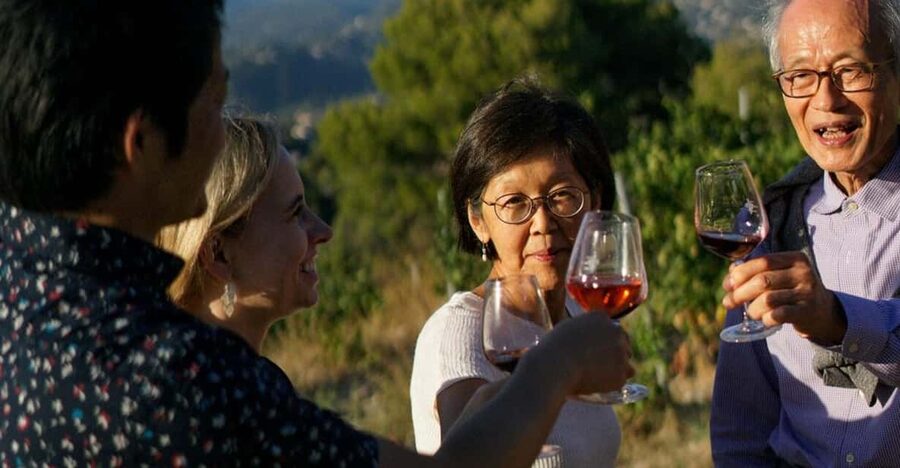
The guided vineyard section lasts about an hour according to the full schedule, although the overall activity is listed as 90 minutes. This part gives the tasting some context. You see where the grapes grow and hear why the local conditions matter before judging the wine itself.
Your guide explains the effect of the sea and mountains on the vines, along with the importance of the soil. That is valuable because it turns broad wine language into something you can connect with the view in front of you. You are not just told that a wine is regional. You learn what makes this region distinct.
Guides may also involve you with questions as they go. That approach is useful for beginners because it encourages you to notice color, aroma, flavor, and texture without worrying about giving a perfect answer. If you already know wine, the discussion of pressing and aging methods gives the visit more depth.
The tour also covers the history of the vineyard. Julia, in particular, is described as giving clear background about the château and its wine. The history does not appear to take over the whole experience, which is a good thing. You have enough background to understand the place, while the focus stays on the vines and the wines.
From grapes to bottles in the production area
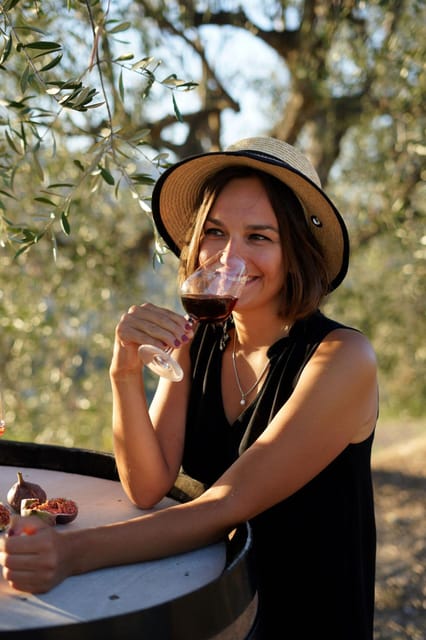
After the vineyard, the tour moves to a large concrete area beneath the chapel. Here you see machinery and barrels and hear about the production process from grape pressing through storage.
This is the part I would value most if you want to understand wine beyond tasting vocabulary. The guide explains how different production choices can affect the finished wine. Pressing and aging are not abstract terms anymore. You can connect them to the equipment and barrels in front of you.
The experience also covers how wine develops through storage. That makes the later tasting more rewarding, since you have already heard why two wines may differ in style even when they come from the same broad region. The emphasis is educational, but it remains tied to what the château actually does.
Do not expect a massive industrial winery visit. The attraction here is the direct connection between a small regional producer, its setting, and its methods. The review information points to a technical level that is useful for people who want to learn, but the tour is still suitable if you are simply curious about wine.
More food tours in Nice
- NO DIET CLUB – Unique Local Food in Nice !
★ 5.0 · 1,267 reviews - Nice: Food and Wine Old Town Guided Walking Tour
★ 4.9 · 411 reviews - Nice: Provencal Food Walking Tour with Tastings
★ 4.9 · 387 reviews - Nice Food Tour – A Full Meal on French Riviera by Do Eat Better
★ 5.0 · 231 reviews
Tasting three wines in the chapel cellar
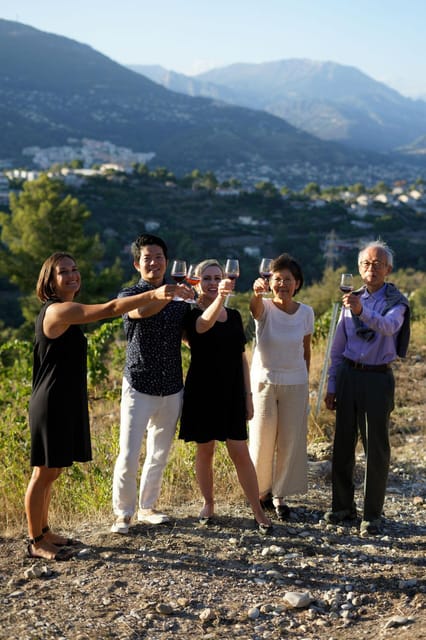
The final tasting takes place in the chapel’s cellar, where the wines are presented at a table. The standard tasting includes three wines: one white, one rosé, and one red.
This range is helpful. Instead of tasting three similar bottles, you can compare different styles and see how the same region expresses itself across colors. Your sommelier or guide talks through each wine, including flavor and possible food pairings. That turns the tasting into a lesson in how to order wine later, not just a short drinking stop.
A spittoon is available, which is a sensible touch for anyone who wants to taste carefully without consuming every sample. You may also have a chance to try additional wines, but the included tasting is three wines, so regard anything beyond that as dependent on the visit.
The cellar setting adds character, while the earlier vineyard and production sections give the tasting a clear purpose. I like this order. You first see the place, then learn the process, and only afterward assess the results in your glass.
Wine taste is personal, of course. Most of the supplied feedback is very positive about the wines, with particular enthusiasm for the white, rosé, and red selection. One person found the wine less suited to their taste, which is a useful reminder not to book this expecting every bottle to match your preferences. The value is in trying local wines with an explanation, not in a promise that every sample will become your new favorite.
Choosing the transfer from central Nice
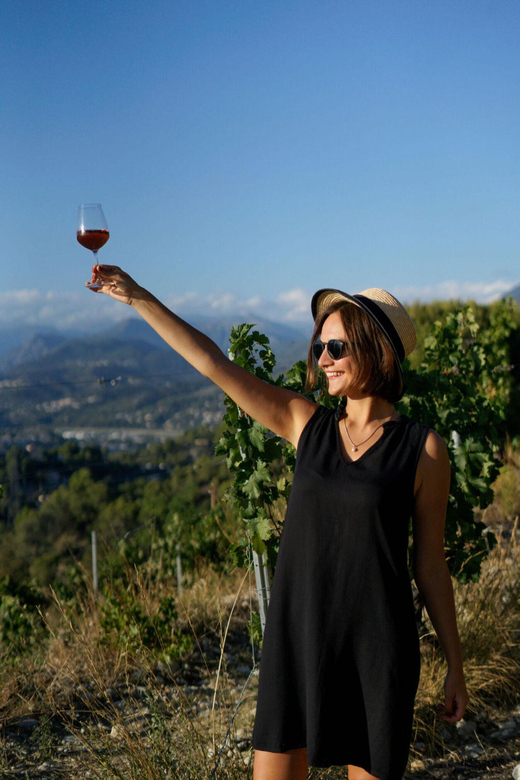
You have two basic ways to reach the château. You can make your own way or book the option with transport from Nice city center.
Without a transfer, the stated public transport route is bus number 62 from Magnan, followed by a 15-minute walk. You can also use an Uber or taxi, with the drive from central Nice taking about 30 minutes.
For many people, I would choose the transfer. The transportation option removes the need to find the bus stop, judge the walking route, or arrange a return ride after wine tasting. One visitor specifically found the pickup worthwhile, and another described the transport as efficient and good value.
The schedule includes a 30-minute transfer in each direction, while the activity itself is listed as 90 minutes. Check the exact option and starting time when booking, since the transfer will make the outing longer than the core vineyard visit. If you are already staying near the château or prefer public transport, arriving independently can make sense. If your time in Nice is short, the organized transfer gives you a simpler half-day plan.
Do not drive yourself if you intend to taste. A taxi, Uber, public bus, or included transfer is the sensible choice.
Is $38 a fair price?
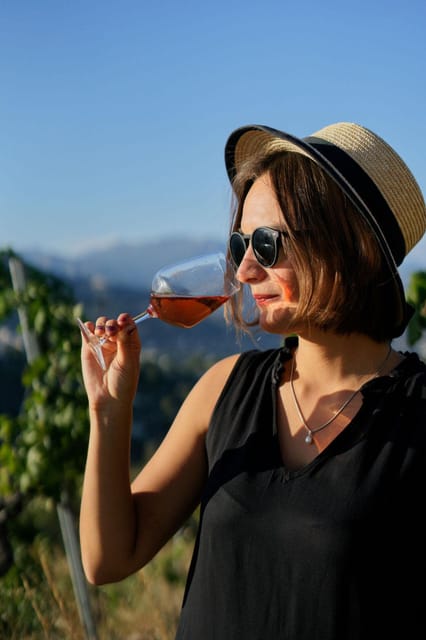
At $38 per person, the tour is priced reasonably for Nice. You receive a guided vineyard visit, an English-speaking guide, and three wines, all in a setting with views toward both the sea and the Alps.
The price is strongest for people who want more than a glass at a wine bar. You are paying for access to a working vineyard, an explanation of production, and a guided tasting. The visit also helps you understand local wine labels and terms, which can be useful for the rest of your holiday.
The transport option should be judged separately. It adds convenience, not a different wine program. If you are comfortable with bus number 62 and a 15-minute walk, you may prefer to save money. If you value time and an easy return to central Nice, the transfer has practical value.
The 90-minute format also helps keep the cost sensible. It is long enough to cover the vines, production, and tasting, but short enough to fit around other Nice plans. You will not spend an entire day away from the city.
Who will enjoy this tour most
I would recommend this for adults who want a manageable introduction to wine and a change from central Nice. It suits beginners especially well because the guides explain technical details in plain terms and connect the process to what you can see.
It is also a good choice for anyone who already enjoys wine but wants to understand how local conditions and production methods affect taste. The discussion of soil, mountain and sea winds, pressing, and aging gives experienced drinkers useful points to consider.
Couples, small groups of friends, and solo visitors can all fit this kind of outing easily. The tone appears friendly and professional, with guides who ask questions and welcome discussion.
This is not suitable for children under 18. It is also less suitable if you want a long meal, extensive cellar access, or a full-day wine-country excursion. The visit is focused and compact. You get a clear look at one vineyard rather than a broad tour of several estates.
The experience is listed as wheelchair accessible. If access details are especially important to you, confirm the exact route and transport arrangement before booking, since the visit includes outdoor areas and movement between the chapel, vineyard, production space, and cellar.
Small details that make the visit better
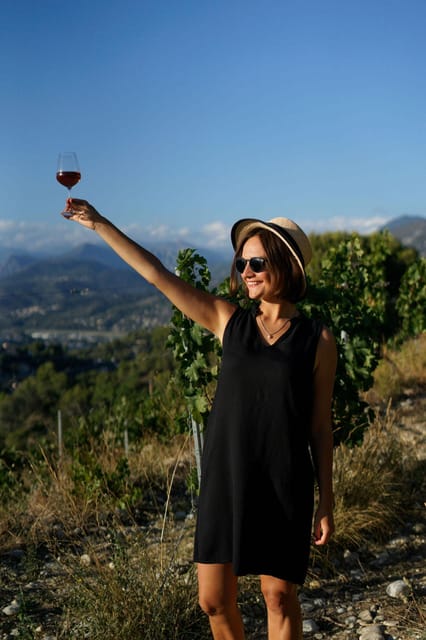
Arrive at the chapel meeting point on time, especially if you have chosen transport. If you arrive before opening, wait at the gate rather than trying to enter on your own.
Wear shoes that can handle a vineyard visit, and carry water. The setting is beautiful, but this is not only a seated tasting.
Listen for the sections on pressing and aging. They give you the most practical knowledge for choosing wine later. Also pay attention to the food pairings offered during the tasting, since these can help you make better choices at restaurants in Nice.
If you enjoy a particular bottle, ask about buying it to take home. One person bought a bottle of red wine after the visit, and the château wines were memorable enough to prompt people to seek them out during the rest of their holiday.
The free time listed after the tasting gives you a chance to enjoy the setting rather than rushing straight away. Use it for photographs, a final look at the views, or a calm discussion about the wines.
Should you book Château de Bellet?
Book it if you want a scenic, adult-only wine outing that teaches you something useful in less than two hours. The views are excellent, the three-wine tasting gives you variety, and the visit goes beyond a quick pour by showing you the vines, production area, equipment, and cellar.
I would add the transfer if you are staying in central Nice and want the easiest plan. Choose independent transport if you are comfortable with bus number 62, a 15-minute walk, or a 30-minute taxi ride.
Skip it if you dislike wine, need a child-friendly activity, or want a full-day tour through several vineyards. For everyone else, $38 is a fair price for a focused visit that combines local scenery, useful instruction, and a taste of the wine culture just outside the city center.
FAQ
Where does the wine tour start?
The tour starts in front of the chapel at Château de Bellet. If you arrive before opening time, wait at the gate until staff come to open it.
How long does the tour last?
The activity is listed as 90 minutes. The schedule also shows 30-minute transfers when transport is included, so the total outing will take longer if you use the city-center pickup and return option.
How many wines are included?
Three wines are included in the tasting. The selection includes a white, a rosé, and a red.
Is transportation from Nice included?
Transportation is an available option, not an automatic part of every booking. You can choose a roundtrip transfer from Nice city center or arrange your own way to Château de Bellet.
How can I reach the vineyard without the transfer?
You can take bus number 62 from Magnan in Nice and then walk for about 15 minutes. An Uber or taxi is another option, with the drive from central Nice taking about 30 minutes.
What language is the tour in?
The live guided tour is in English.
Are children allowed?
No. The activity is not suitable for children under 18.
Is the tour wheelchair accessible?
The activity is listed as wheelchair accessible.
What should I bring?
Bring comfortable shoes and water. The tour includes time around the vineyard and production areas, and water may not be available on site.
New in the Nice listings
- West Coast and Country Side full day Tour★ 4.4 · 9 reviews
- Villefranche: Shore Excursion to Eze, Monaco, & Monte-Carlo★ 4.9 · 9 reviews
- Visit Saint Paul de Vence, Antibes, and Cannes: 7-Hour Tour★ 4.7 · 52 reviews
- Day Trip: Guided tour of Monaco and Eze, sightseeing .★ 5.0 · 37 reviews
- From Nice: Verdon Gorges & Lavender Fields Tour & Transport★ 4.2 · 40 reviews
- Private excursion from Villefranche in Citroën Méhari to Eze and Monaco★ 5.0 · 3 reviews
- Private Customized French Riviera Tour from Port Villefranche 6H★ 4.0 · 24 reviews
- Full Day French Riviera & Monaco With Wine Tasting and Boat Tour★ 5.0 · 3 reviews
Nice Wine Tours and Tastings, compared.
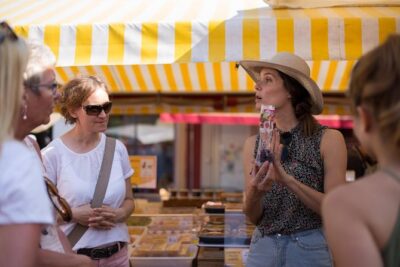
Nice Small-Group Walking Food Tour with Local Specialties & Wine Tasting
Read our review →
Provence Village Tour with Wine and Produce Tasting
Read our review →
Provence Wine Tour – Small Group Tour from Nice
Read our review →
Small Group Guided E-bike Tour in Nice’s Organic Vineyard
Read our review →

Wine Tasting Class: Tour de France in Nice City Centre
Read our review →Browse the lists this tour appears in