
Reviewed · TRAIN EXPERIENCES
Train Exp. through the Alps (Royal Baroque Route from Nice)
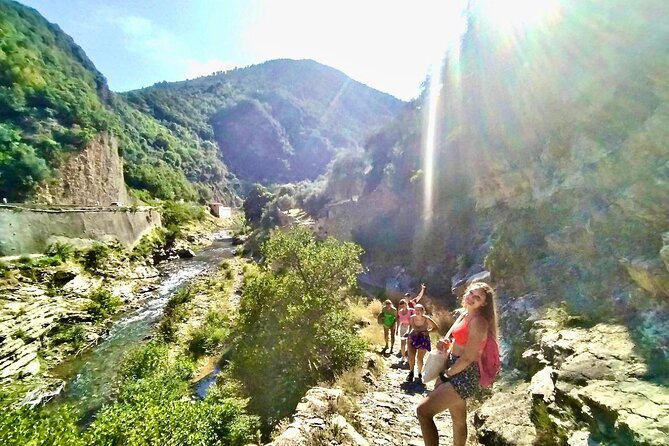
The best part of this day is the train itself. From Nice, the line climbs through valleys, bridges, tunnels, gorges, and small mountain towns that are difficult to reach without a car. I like the slow change from the Riviera to the Alps and the chance to see places such as Saorge, Tende, and La Brigue with a local guide.
I also like the good local lunch and the guides. Cyril is praised for mixing medieval stories with humor, while Carmela is especially attentive with directions, menus, weather updates, and group pacing. The main drawback is clear: this is not a gentle sightseeing ride. The full outing can involve about 9 miles of walking, steep stairs, and a long day that may stretch to 9:30 p.m. when the longer route is used.
Key Points to Know Before You Book
- The railway is a regular regional train: You share the ride with other passengers rather than taking a private tourist train.
- The route can change: Weather, bridge closures, season, group fitness, and return-train times may alter the villages visited.
- Saorge and its monastery are major highlights: Expect medieval lanes, mountain views, a former stronghold, and a striking Baroque religious site.
- Lunch is part of the value: You receive local food, with an upgraded restaurant meal available on some departures.
- Hiking is central to the experience: Some uphill paths are steep, especially toward castles, citadels, and monasteries.
- The group can be as large as 30 people: Smaller departures are possible, but you should be ready for a group outing.
Why This Train Ride Is Worth Your Day From Nice
Nice is an easy base for the French Riviera, but the city gives you only a taste of the mountains. This trip takes you inland on the historic railway that links the coast with the southern Alps and, farther north, the Piedmont region of Italy. The line is a feat of early twentieth-century engineering, with bridges, tunnels, narrow valleys, and dramatic changes in elevation.
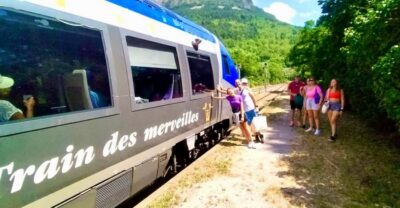
The train is not reserved for this tour. It is a working regional service with several stops. That matters because the experience feels more like a local day out than a polished sightseeing attraction. It also means the ride can take patience. You are following the railway schedule, and a delayed or changed stop can affect the whole day.
You meet at Nice-Ville station at about 7:55 a.m. near the terrace of Boulangerie Paul by the main entrance. The train leaves at 8:30 a.m., and it will not wait for late arrivals. I would arrive early, especially if you are unfamiliar with the station or are coming by tram. The meeting point is close to the Gare Thiers tram stop.
The advertised day lasts roughly 10 to 12 hours. Round-trip train transport, guiding, the planned visits, and lunch are included in the price of about $204.37 per person. That is fair value if you want transport, interpretation, and food handled in one day. It is less compelling if you mainly want a train ride, since you could not expect the same level of help or included meal by traveling independently.
More scenic train rides from Nice
- From Nice: Historic Train Ride & Alps Villages
★ 4.8 · 312 reviews - Tour with the Mountain Train, Trek to Mystic Forest and Castle
★ 5.0 · 101 reviews - Mountain Train Experience: Hike & Mystic Forest (From Nice)
★ 4.2 · 12 reviews
The Railway Through the Maritime Alps
The first part of the journey is the quiet star of the day. As the train leaves Nice, the scenery shifts from city streets and Riviera development to wooded hills, steep rock walls, ravines, and high valley villages. The guide points out the route’s engineering and explains how the border region developed around old military roads, trade routes, and contested territories.
Bring a window seat if you can, but do not spend the whole ride looking through the glass. Some of the best details are the tunnels, stone bridges, canyons, and sudden views of villages above the valley. The scenery is more about rugged valleys and historic settlements than snow-covered peaks. At elevations around 800 to 900 meters on some longer walking routes, you should not expect a high-mountain expedition or guaranteed snow outside winter.
The day may follow the Baroque Route toward Saorge, Tende, and La Brigue. At other times, the guide may use villages such as Annot, Entrevaux, Puget-Théniers, or Touët-sur-Var. This is not a minor footnote. Bridges can close, rain can make a path unsafe, and the group may choose an earlier return. Confirm the final plan with the guide’s message the day before.
Saorge: Medieval Lanes and a Baroque Monastery
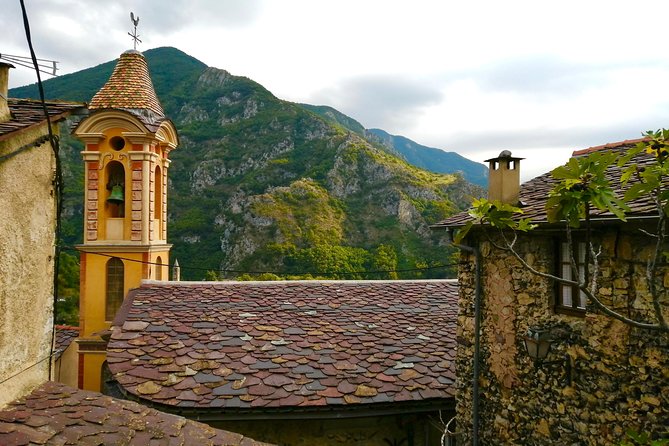
Saorge is one of the most memorable stops on the route. The village clings to the mountainside above the Roya Valley, with steep lanes, stone buildings, and broad views over the surrounding gorges. Its position once made it a natural defensive site, and the guide brings the old border story to life with accounts of wars, shifting kingdoms, and the area’s strong Italian connections.
The village visit is not flat. You may walk uphill toward the monastery, with about 150 meters of ascent on a sporty section. Stairs and uneven surfaces are part of the setting, so comfortable shoes matter more than stylish ones. If you have trouble with steep climbs, tell the guide early rather than discovering your limits halfway up.
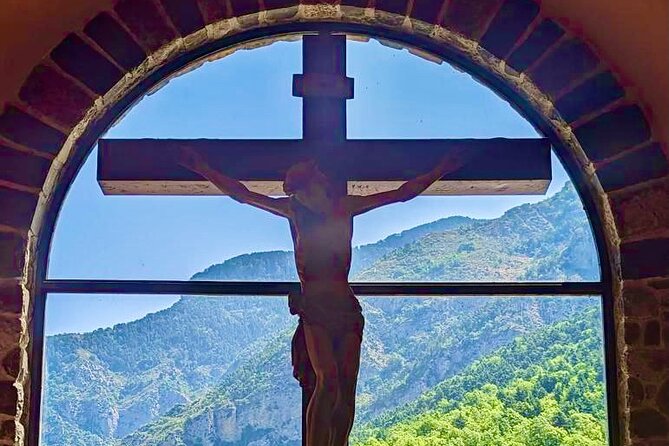
The Monastery of Saorge is a fine reward. This Baroque complex has a peaceful courtyard, church, rooms, gardens, and wide mountain views. The contrast is appealing: outside, the village is vertical and defensive; inside, the monastery feels calm and secluded. The visit takes about 45 minutes, though the total time in Saorge depends on the day’s transport and walking plan.
The cathedral is another worthwhile detail in the village. You are not simply passing through for a photograph. The guide helps connect the buildings to the region’s border culture and explains details you might otherwise miss.
Tende and La Brigue: Alpine Villages With Italian Roots
Tende has a different feel from Saorge. It is a larger medieval village with castle ruins, striking religious buildings, and views toward the mountains. The town only became part of France in the late twentieth century, and its Italian heritage is still part of its character.
This is usually where the included lunch becomes important. A local restaurant meal gives you a proper pause after the morning train and walking. Portions can be generous, and the meal may include local wine. Dietary requirements should be given when booking, not once you sit down. On some versions of the tour, you may have a picnic of local food instead, or an option to upgrade to a restaurant meal.
The route may also include La Brigue, another village with old stone buildings and a strong local identity. Depending on the season and conditions, the guide may include a museum focused on Bronze Age engraved stones, chapels, or time in the Mercantour National Park area. These changes are part of the practical character of the tour, but they can disappoint if you expect one fixed list of stops.
Tende is also a reminder that village sightseeing here requires effort. Ruins and viewpoints often sit above the main streets, and the best views usually cost you a climb. If you walk several miles a day and handle stairs comfortably, you may find the pace manageable. If your mobility is limited, the full itinerary may be too demanding.
Same coast, a completely different day:
- From Nice: French Riviera in One Day
★ 4.5 · 5,215 reviews - Nice: 1-Hour Sightseeing Cruise to Villefranche Bay
★ 4.6 · 2,747 reviews - Nice: 1 or 2-Day Hop-On Hop-Off Bus Tour
★ 4.3 · 2,663 reviews - Nice: Gorges of Verdon and Fields of Lavender Tour
★ 4.4 · 1,975 reviews
The Hiking: Know What Moderate Means Here
The tour description calls for moderate fitness, but I would treat the walking as more than moderate if you plan to join every climb. The fullest version includes about 15 kilometers, or roughly 9 miles, on foot. That total may include uphill village paths, stairs, forest tracks, olive groves, and downhill sections.
The climb to a castle, citadel, or high viewpoint is the part that catches people off guard. One route includes a strenuous walk to a citadel above Entrevaux, while another may involve the monastery approach at Saorge. Guides do not force you to join every uphill section, and they usually offer alternatives. But alternatives may be limited in a small village, particularly outside high season when shops and cafés close in the afternoon.
This point deserves honest planning. If you skip the longer walk, you might have time for a bar, bakery, grocery, ice cream, or a small local shop. On some days, options are sparse, and you may spend a while waiting for the group. An early return to Nice may be possible when the itinerary allows it.
Wear shoes with a firm sole, carry water, and dress in layers. The guide sends weather and clothing advice the day before, and the tour runs in most weather except all-day rain. Conditions can feel quite different from Nice, especially in the morning and during cooler months.
Guides Who Make the Difference
A good guide matters on this trip because the transport and itinerary are complicated. You need someone who can keep the group together, explain the history, interpret lunch menus, adjust the route, and deal with train timing.
Cyril is known for a lively style, strong local knowledge, and plenty of humor. One unusual detail is that he has sometimes dressed as Mario, making him easy to spot when people stop for photographs or spread out on village streets. His approach suits you if you enjoy history delivered with jokes and conversation rather than a formal lecture.
Carmela is especially good at practical care. She has helped with last-minute route changes, translated restaurant menus, sent clear instructions before departure, and adjusted the pace for the group. Samuel has also led departures and is described as a well-informed, helpful guide.
The guide may be multilingual, and the group can reach 30 people. A small group creates a better rhythm on narrow paths and at lunch, but you should not assume every departure will be intimate. The guide’s ability to manage different walking speeds becomes important on a full departure.
Price, Timing, and Changing Plans
At about $204.37, the cost covers a lot: round-trip train travel, a full day of guiding, village visits, the monastery when included, and lunch. You are paying for convenience as much as admission. Planning train connections, finding the right village paths, choosing a restaurant, and understanding a French border region would take time on your own.
The value drops if your main goal is a fixed itinerary or a private experience. The railway is public, the group may be large, and the route can change. In one unusual situation, a bridge closure forced a replacement village and created a long wait for the return train. That kind of disruption is not the norm, but mountain travel rarely follows a city timetable perfectly.
The tour is generally booked well ahead, with an average booking lead time of about 48 days. Free cancellation is available until 24 hours before departure. If poor weather or too few bookings cancel the tour, you should be offered another date or a full refund. A separate concern is that a minimum group size may apply, so check messages before setting your day around the excursion.
Who Should Book This Day in the Alps?
I would choose this trip if you want to see the inland side of the Nice region without renting a car. It suits active adults, history fans, railway enthusiasts, and anyone who prefers small mountain villages to crowded coastal sights. It is also a strong choice for people who enjoy local food and want a guide to handle the details.
I would think twice if you want a relaxed hop-on, hop-off day. The early meeting time, long train ride, steep climbs, and uncertain finish make this a demanding outing. It is also not the right pick for anyone who cannot manage uneven paths, stairs, or several hours of walking.
Should You Book the Royal Baroque Route?
Book it if you see the train, the villages, and the walking as one combined experience. The strongest version gives you a memorable railway ride, medieval streets, a Baroque monastery, mountain views, a generous local meal, and stories that help explain this once-Italian border country.
Skip it if you need a guaranteed route, a short day, or an easy village stroll. Before paying, decide honestly how much uphill walking you want to do and confirm the current route with the operator. For an active day from Nice that reaches a part of France most visitors miss, the tour offers very good value, as long as you accept its flexible plans and physical demands.
FAQ
Where does the tour begin?
It begins at Nice-Ville station, near the Boulangerie Paul terrace by the main entrance at 12 Avenue Thiers. The guide carries a blue Train Experience through the Alps sign.
What time should I meet the guide?
The meeting time is around 7:55 a.m., with the train departure at 8:30 a.m. There is no hotel pickup, and the train will not wait for late arrivals.
How long does the experience last?
The day lasts approximately 10 to 12 hours. Some longer itineraries may return to Nice around 9:30 p.m., while shorter or adjusted routes can finish earlier.
Is lunch included?
Yes. The tour includes a picnic of local food or a local restaurant meal, depending on the itinerary. An upgraded restaurant option may also be available. Give dietary requirements when booking.
How much walking is involved?
The fullest version includes about 15 kilometers, or 9 miles, of walking. There are steep village climbs, stairs, and uphill routes to monuments and viewpoints.
Can the itinerary change?
Yes. Weather, season, bridge closures, group preferences, train timing, and the ability of the group to complete the hikes can change the villages and activities visited.
Is cancellation free?
You can cancel for a full refund up to 24 hours before the start time. If the tour is canceled because of poor weather or too few bookings, you should be offered another date or a full refund.
New in the Nice listings
- West Coast and Country Side full day Tour★ 4.4 · 9 reviews
- Villefranche: Shore Excursion to Eze, Monaco, & Monte-Carlo★ 4.9 · 9 reviews
- Visit Saint Paul de Vence, Antibes, and Cannes: 7-Hour Tour★ 4.7 · 52 reviews
- Day Trip: Guided tour of Monaco and Eze, sightseeing .★ 5.0 · 37 reviews
- From Nice: Verdon Gorges & Lavender Fields Tour & Transport★ 4.2 · 40 reviews
- Private excursion from Villefranche in Citroën Méhari to Eze and Monaco★ 5.0 · 3 reviews
- Private Customized French Riviera Tour from Port Villefranche 6H★ 4.0 · 24 reviews
- West Coast and Countryside shared & Guided tour from Nice★ 5.0 · 8 reviews
Train Experiences, compared.
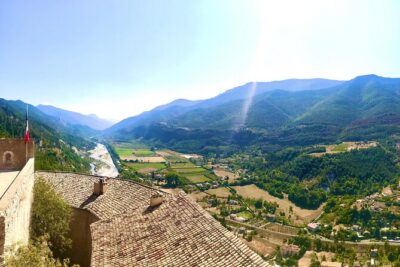
Tour with the Mountain Train, Trek to Mystic Forest and Castle
Read our review →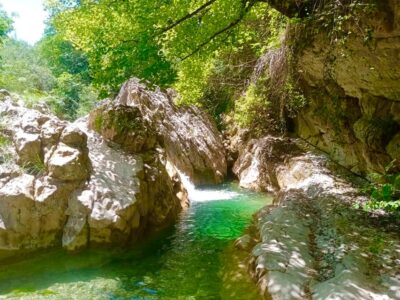
Mountain Train Experience: Hike & Mystic Forest (From Nice)
Read our review →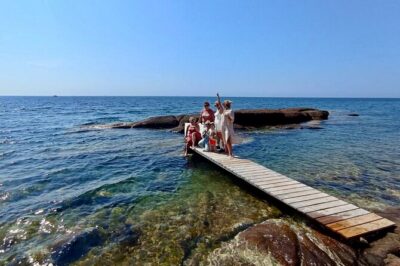
French Riviera Colorado & Var West by Train (from Cannes/Nice)
Read our review →Browse the lists this tour appears in